Think · Business and proposition reinvention
The products, cost base and routes to market that made sense before AI will not all survive it. Some competitors will reach your customers with a fraction of your cost to serve.
We help you decide what to reinvent, what to protect and what to stop — and we prove it with real customers and working prototypes before anyone writes a business plan around it.






THE PROBLEM
Reinvention is rarely triggered by a crisis. More often it is a slow realisation that the numbers no longer add up the way they used to. The question is whether you are improving the business you have today, or creating the business your customers will need tomorrow.
Growth has flattened or cost to serve has crept up, and the leadership team cannot agree on what to fix first. Every function has a view. Nobody has the evidence.
AI has changed the economics of your category. Someone, possibly a business that did not exist three years ago, is reaching your customers with a cost base you cannot match by trimming.
The last serious customer research was years ago. Product decisions are made on internal opinion, and the pipeline of new offerings is a list of ideas rather than a set of validated bets.
The board will back reinvention, but only with a route to market, a business plan and metrics that show when it is working and when to stop.
THE PROCESS
A typical engagement runs ten to fourteen weeks. It starts with evidence, moves quickly to prototypes customers can react to, and ends with a plan rather than a deck.
Map
Customer, market and business research in parallel: interviews and jobs-to-be-done analysis with your customers, competitor and adjacent-market insight, journey mapping of how value is created and lost today, and a plain assessment of your digital and AI maturity.
You hold: A shared, evidenced picture of where you stand, where the market is heading, and our early bets on how to win.
Design
Cross-functional workshops bring your domain experts together with our strategists and designers around the evidence. We shape two or three candidate propositions using value proposition canvases, and define the business model, the solution architecture and the hypotheses behind each one.
You hold: Candidate propositions with explicit assumptions, and what it would take to prove them.
Build and test
Working prototypes put in front of real customers in structured experiments, with usability testing and quantitative measures agreed up front. Propositions that fail are killed quickly and cheaply. The ones that survive get a technically validated go-to-market plan and metrics.
You hold: Validated propositions, evidence of demand, and a clear kill list.
Run
A business plan the board can fund: investment, route to market, OKRs and leading indicators. We identify what the organisation needs to change to deliver it — roles, teams, capability — and hand over to your product teams with the research, prototypes and decisions intact.
You hold: A funded plan, an organisation that knows its part in it, and the context to start building.
THE OUTCOME
By the end of this work you are not holding a vision. You are holding evidence:

PARTNERS AND ECOSYSTEM
We do not sell a platform, so the proposition we recommend is the one the evidence supports. When reinvention needs frontier AI, our partnerships with Anthropic, OpenAI and AWS mean the prototypes are built on the models your product will actually run on.
And as part of the Version 1 Group, when the plan needs more reach than a 650-person consultancy carries, we bring the group's enterprise capabilities and partnerships through the same relationship.

Preferred Services Partner.
One of six in Europe. When a proposition needs frontier AI, the prototypes are built on the models the product will actually run on.
Select Partner.
More than 750 OpenAI certifications across our people, so what we prototype in the Build and test step is what we can also ship.
Advanced Tier Services Partner.
Years of delivery behind it, and AWS co-invests in client engagements — which can part-fund the experiments before the business case is written.
Alongside them we work across Microsoft Azure, Google Cloud and Figma.
BUILT IN-HOUSE, PROVEN ON CLIENT WORK
Context that compounds
A persistent, queryable knowledge layer that brings together business strategy, discovery findings and delivery insights, keeping organisational context available as the programme evolves.
For this work: Reinvention generates a lot of evidence: interviews, market data, prototype results, decisions taken and rejected. The Intelligence Engine holds all of it in one queryable place, so when the proposition moves into build the team can ask “why did we decide that?” and get the answer rather than the folklore.
Tests the proposition early
AI-powered customer representations generated from your redacted customer data, enabling us to explore emerging needs, challenge assumptions and rapidly test proposition hypotheses before validating the strongest opportunities with real customers.
LIVE IN BUSINESSES LIKE YOURS
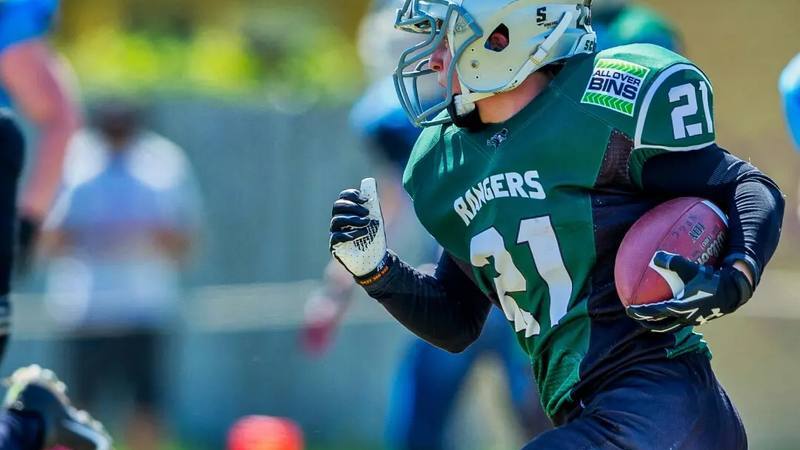 FanDuel
Supported the teams and foundations behind the number one operator in the US.
Read the case study
 Zuto
700 more deals a year, 80% less admin per adviser, and no net headcount growth.
Read the case study
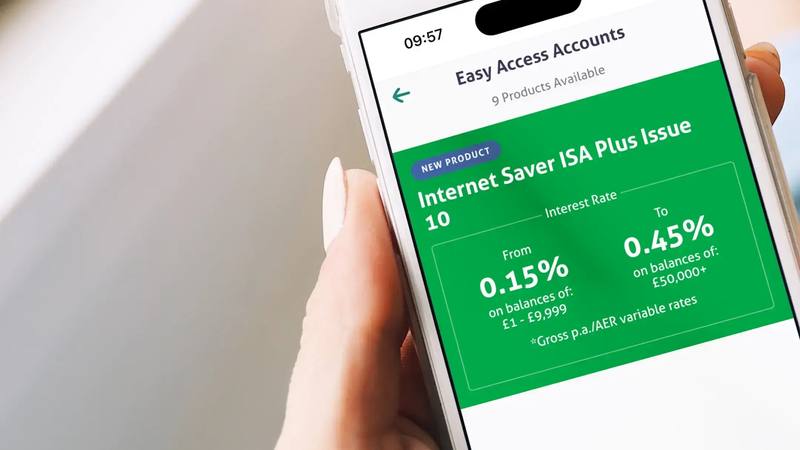 Yorkshire Building Society
Reignited a flagship product and moved the Society closer to its digital future.
Read the case study
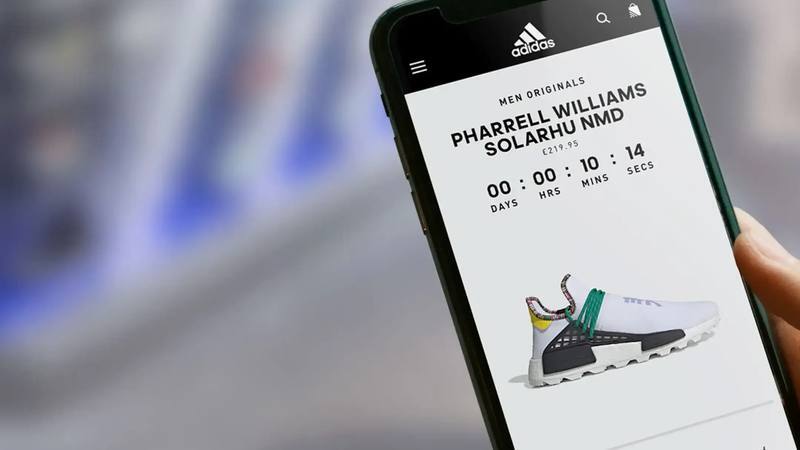 adidas
A 40% increase in online conversion after redesigning the customer journey in sprints.
Read the case study
With CreateFuture you get a team that are unafraid to get their hands dirty.

Andy Dunbar
Head of Product and CX, Aberdeen
STILL HUMAN
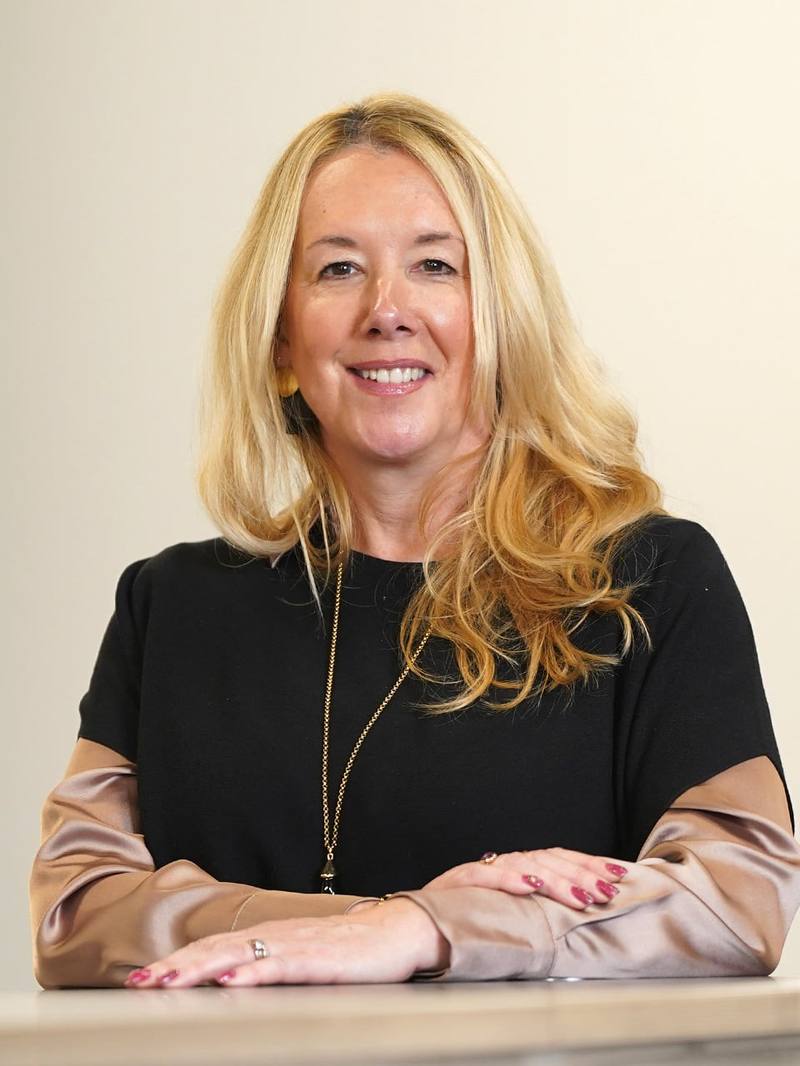
Lindsay Ratcliffe
Chief Innovation and Transformation Officer
Led the reinvention of CreateFuture itself from 2024, and leads the Think practice.
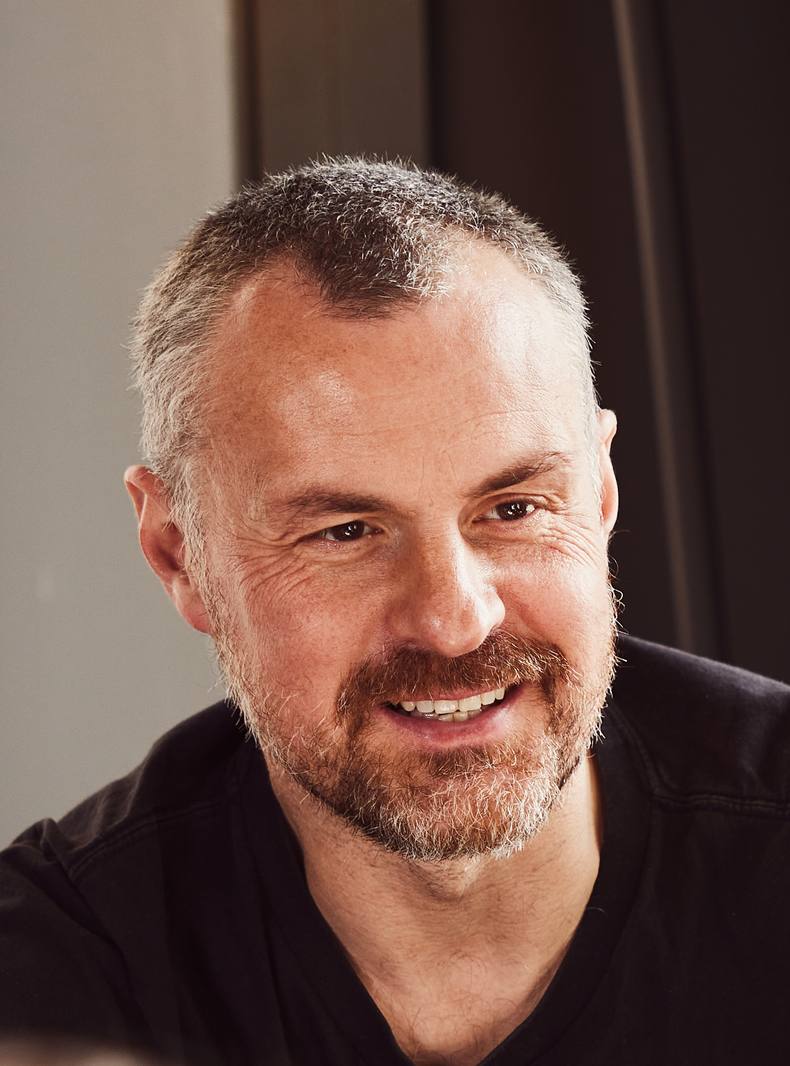
Nathan Fulwood
Director of Strategy
Balances visionary innovation with pragmatic commercial judgement.

Dave Ward
Director of Experience
Brings craft, differentiation and distinctiveness to future propositions.
THE FIRST STEP
A four-week Map engagement gives you customer research, competitor insight and a maturity picture you can act on, whether or not we go any further together. Most clients find the first four weeks change the question they were asking. Better to find that out before the business plan is written.
