Scale · AI-native operating model and ways of working
Team shapes, roles and governance were designed for the past, so the gains from AI get lost in hand-offs or turn into risk further down the line. AI adoption is not measured by licences bought or training completed, but by how the work improves.
We redesign the operating model around people and agents working together: smaller outcome-focused teams, redesigned roles, AI built into every stage from refinement to release, and a maturity score leaders can track quarter by quarter. We rebuilt our own business this way.






THE PROBLEM
The organisations that bought AI tools expecting a productivity jump mostly got a queue. The tools worked; the system around them did not. Being able to do more did not translate into value.
Code is written in an hour and waits a week for review, a sprint for test and a release train for production. The AI gain is real and the business never sees it.
Business analysts, testers, release managers and engineers doing the jobs they were hired for, which AI has changed. Nobody has redesigned the roles, so people improvise or resist.
Stage gates, change boards and project funding cycles built for quarterly releases, applied to teams that could ship daily. The governance is either bypassed or it strangles the pace.
Leaders cannot say whether AI is improving delivery or increasing delivered value, because nothing measures it. Decisions about further investment are made on anecdote rather than fact.
THE PROCESS
Operating model work runs from three to six months for a division, with a first redesigned value stream live within eight to twelve weeks. The last step is the one most transformations skip.
Map
Value stream mapping end to end across product, design, engineering, quality and operations: where the hand-offs, approval delays and cognitive overhead actually sit, measured rather than described. An AI maturity and capability assessment baselines where every team stands.
You hold: A measured map of flow, a maturity baseline, and the two or three value streams to redesign first.
Design
Teams re-architected into smaller, outcome-aligned pods around persistent value streams rather than transient projects. Roles redesigned for a world where agents draft, test and review — what people do, what agents do, and where the judgement sits. Governance modernised from stage gates to automated quality checks, definitions of ready and done, and real-time progress radiators. Human-AI workflows designed with the people who will work in them.
You hold: A target operating model, redesigned roles, and a governance model that keeps up with the pace.
Build
The first value stream goes live in the new model, with Fleet in the delivery lifecycle and Enaible embedding AI into the workflows people already use. A Transformation Office replaces the PMO, with automated RAID and real-time dashboards. We work inside the teams, not above them.
You hold: A value stream operating the new way, with measured flow and quality against the baseline.
Run
Playbooks published, communities of practice established, and structured upskilling pathways in place, so the model spreads without us. The maturity score is re-measured and becomes a quarterly leadership metric.
You hold: An operating model your leaders can track and your teams own, spreading value stream by value stream.
THE OUTCOME
What good looks like:
PARTNERS AND ECOSYSTEM
Operating model change lands in the tools people use every day, so we design it into Microsoft 365, GitHub, Azure DevOps and Atlassian rather than alongside them.
Our Anthropic and OpenAI partnerships mean the human-AI workflows are built on the models your teams will actually use. As part of the Version 1 Group, large-scale change programmes can draw on group transformation capacity through the same relationship.
Preferred Services Partner.
The human-AI workflows are designed on the models the teams will actually use, which is the difference between a redesigned role and a described one.
Select Partner.
More than 750 certifications across our people, so the upskilling pathways in the Run step are written by practitioners rather than bought in.
Group transformation capacity.
Where the change is larger than a division, the same relationship reaches group-scale transformation capacity without a second procurement.
BUILT IN-HOUSE, PROVEN ON CLIENT WORK
Puts AI in the work
A workflow layer that puts AI into the processes people already use, so adoption sticks beyond the first month.
For this work: The new operating model only holds if AI sits inside the daily workflow. Enaible is how the redesigned roles and human-AI workflows become habit rather than a slide.
Coordinates the agents
An agentic software delivery harness that coordinates coding agents, tools and engineering workflows, with automated quality gates, evaluations and traceability built into production delivery.
For this work: Fleet runs inside the redesigned delivery lifecycle, so the operating model and the agentic SDLC are one system rather than two programmes.
LIVE IN BUSINESSES LIKE YOURS
 StepChange
Siloed project funding and heavyweight governance shifted to stable, outcome-aligned value streams with automated RAID and Azure DevOps tracking.
With CreateFuture you get a team that are unafraid to get their hands dirty.
Andy Dunbar
Head of Product and CX, Aberdeen
STILL HUMAN
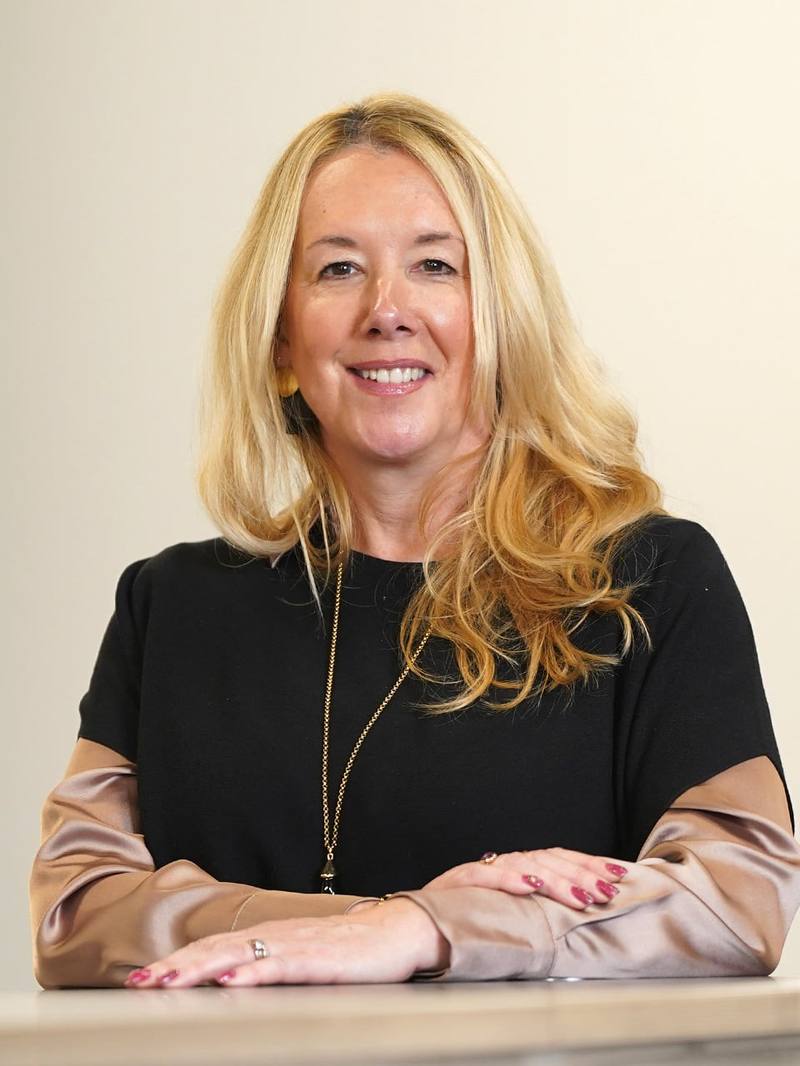
Lindsay Ratcliffe
Chief Innovation and Transformation Officer
Designed and led CreateFuture's own AI-native transformation from 2024, and leads the Scale practice.
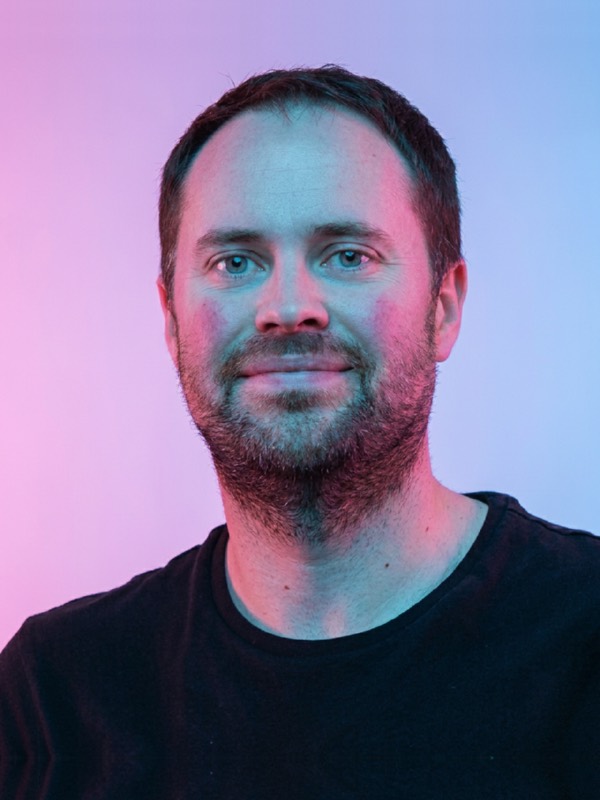
Euan Andrews
Founder and CEO
Made the call to rebuild a 650-person business around AI before the market did, and talks about it plainly.
THE FIRST STEP
A three-to-four-week Map gives you a measured view of where flow actually breaks, an AI maturity baseline for every team, and the two or three value streams worth redesigning first. You keep the baseline whether or not we go further.
